Curry Leaves (Kari Patta)
Curry leaves are not curry powder. They have nothing to do with the generic "curry" flavor of curry powder — they are a fresh herb with a citrusy, aromatic, deeply savory character that is unique and has no substitute. Often skipped or substituted; this is always a mistake.
What it is
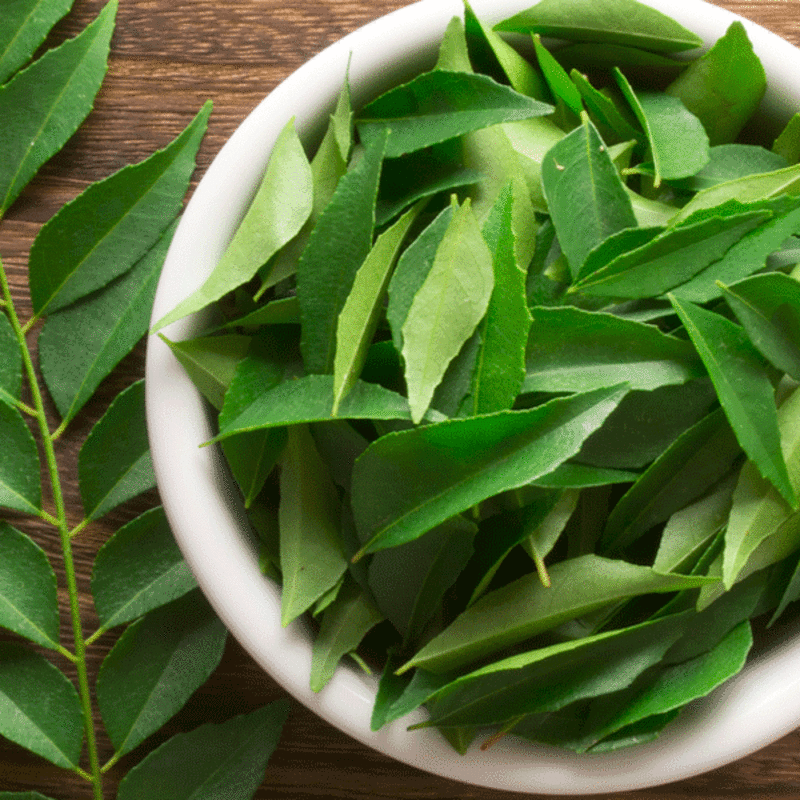
The leaves of Murraya koenigii, a subtropical tree native to India and Sri Lanka. Used fresh, dried, or fried in oil. Available at Indian grocery stores, sometimes at Asian supermarkets. Not related to curry powder in any way — the name is coincidental.
Flavour & Aroma
Fresh: Citrusy, aromatic, slightly anise-like, deeply savory. The smell is distinctive and impossible to describe accurately — it smells like South Indian cooking.
Fried in oil: The volatile aromatics release into the oil in seconds. The leaves crisp up slightly. The flavor infuses the oil and then every ingredient cooked in it. This is their primary use.
Dried: Significantly less flavorful. The volatile oils that define their character are largely lost in drying. Dried curry leaves are better than nothing but a poor substitute for fresh.
The key point: curry leaves are a fat-soluble aromatic. Their flavor compounds dissolve into oil, not water. They must be fried in oil to be effective — adding to water-based dishes or using as a garnish without frying misses the point.
When to add it
- Immediately after mustard seeds in hot oil: The classic South Indian tadka sequence. Mustard seeds splutter first, then curry leaves go in — they crackle and release aroma in 10-15 seconds. Don't wait longer or they burn.
- Keep a lid ready: Curry leaves spit aggressively when they hit hot oil. More so than mustard seeds.
- Fresh directly from the stem: Strip the leaves off the stem with your fingers. The stem is not used.
- At the end as a finishing tadka: A separate tadka (small tempering of oil + spices) can be poured over a finished dal or dish — curry leaves included. This preserves more of their fresh character.
What it contributes to a dish
The aromatic backbone of South Indian cooking. The citrusy, savory depth that makes sambar, rasam, coconut chutney, and dal tadka smell the way they do. Without curry leaves, these dishes taste correct but smell generic.
In North Indian cooking their use is less widespread but still common in egg dishes, chicken 65, and some dals.
Works well with
- Mustard seeds — the defining pairing. Rarely separated in South Indian tempering.
- Dried red chillies — the three together (mustard + curry leaves + dried red chilli) form the core South Indian tadka.
- Coconut oil — the fat of choice in South Indian cooking; carries the curry leaf flavor beautifully.
- Asafoetida (hing) — often added with or after curry leaves in dal tadka.
- Tomatoes and lentils — the aromatic base they create lifts the earthy heaviness of lentils.
In blends
Curry leaves are not typically ground into dry spice blends — they're always used whole, fresh, in tempering. Some wet curry pastes from South India include them, but this is regional.
Forms & Storage
Fresh curry leaves The correct form. Look for bright green, unbruised leaves. They should smell strongly citrusy — if they smell faint, they're old. Fresh curry leaves keep refrigerated for 1-2 weeks wrapped in a paper towel inside a bag.
Frozen curry leaves The best alternative to fresh. Freeze fresh leaves in a bag — they go straight from freezer to hot oil without thawing. Aroma is preserved much better than drying. Highly recommended if you can't get fresh regularly.
Dried curry leaves Significantly inferior. The volatile oils that define their character are largely lost. If this is all you have, double the quantity and accept that the result will be a pale version of the real thing.
Should you toast/roast dried curry leaves? A brief dry toast (30 seconds) can help revive some aroma, but doesn't restore what was lost in drying.
Storage: Fresh: refrigerate, use within 2 weeks. Freeze for long-term storage — this is the best option. Dried: airtight jar, 3-6 months (though flavor fades quickly after opening).
Substitutes
There is no substitute. This is one of the few absolute statements in cooking. Dried curry leaves are a degraded version of the same thing. Bay leaves, lime leaves, and basil are sometimes suggested — they share vague aromatic qualities but are completely different flavors.
If a recipe calls for curry leaves and you don't have them: make the dish without. Don't substitute.
Notes
- The name: "curry leaves" in English is misleading. They don't taste like "curry." In Hindi they're kari patta; in Tamil, karuvepillai. The English name comes from their use in curry-style dishes, not their flavor.
- Growing your own: curry leaf trees grow well in pots indoors and outdoors in warm climates. A small plant gives you fresh leaves on demand. Worth the investment if you cook Indian food regularly.
- Eating them: the fried leaves in a finished dish are edible and pleasant to eat. Some people push them to the side — don't. They're the best part.
Added Aug 31, 2026 · Updated Aug 31, 2026