Black Salt (Kala Namak)
Black salt is not black and not just salt. It's a pinkish-gray mineral salt with a distinctive sulphurous, eggy smell that defines the flavor of chaat masala and street food. Used in tiny amounts, it adds a complex umami-savory note that regular salt cannot replicate. It's one of those ingredients where a small amount is transformative and too much is overwhelming.
What it is
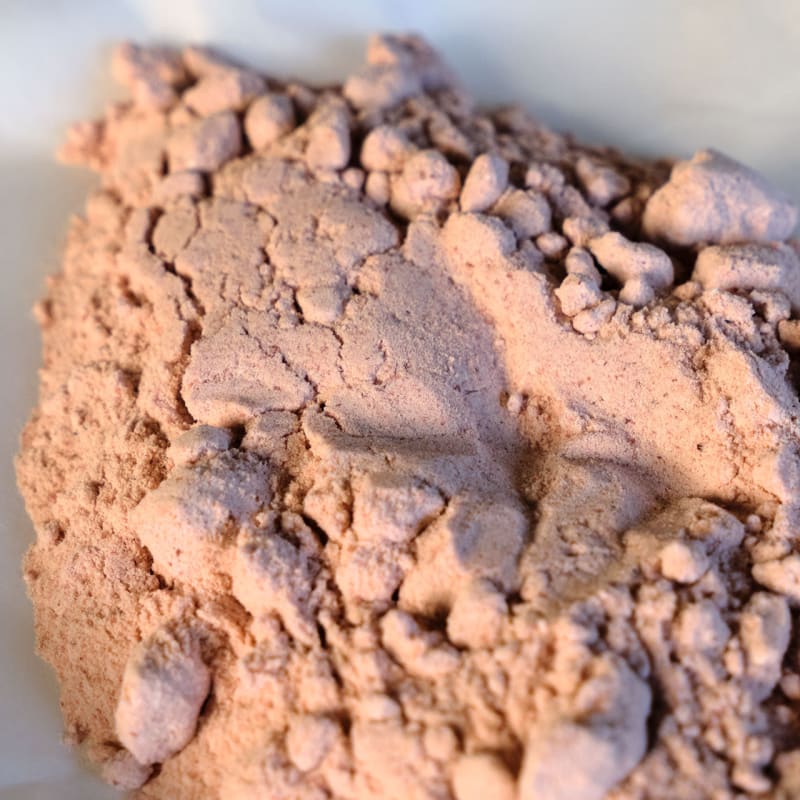
A kiln-fired rock salt mined in South Asia, primarily in the Himalayan region. The sulphur compounds (including hydrogen sulphide) give it the characteristic smell and pinkish-gray color. Available as chunks or ground powder. Despite being called "black" salt, it ranges from pinkish-gray to pale purple-gray — the raw chunks appear darker.
Not to be confused with:
- Black lava salt (Hawaiian black salt): activated charcoal-colored salt used for finishing. Completely different product.
- Regular rock salt / sendha namak: white, no sulphur, used in fasting in Indian tradition.
Flavour & Aroma
Raw: Distinctly sulphurous, egg-like, with a mineral complexity. The smell is stronger than the taste.
In food: The eggy quality mellows and integrates, leaving a complex savory-mineral note that adds depth and a slightly umami quality. In the right quantity, it makes food taste more complex and satisfying without tasting like eggs or sulphur.
Too much: The sulphurous note becomes dominant and unpleasant. Kala namak requires restraint.
The character: the flavor sits between regular salt and something more mineral and complex. It adds savouriness beyond the sodium chloride saltiness of regular salt — closer to the effect of a small amount of fish sauce or soy sauce in adding depth.
When to add it
- As a finishing spice — always: Kala namak is sprinkled on food just before serving or stirred in at the very end. Heat reduces the sulphurous aromatics — the distinctive smell is strongest when not cooked.
- In spice blends: Added to chaat masala, jaljeera, and some raita seasonings as a ground powder. It's pre-mixed and the heat of cooking mellows it appropriately.
- On fruit and salads: Sprinkled on cut fruit (mango, guava, cucumber) — a classic Indian street food preparation. The savory-sulphurous note contrasts with sweetness.
- In raitas and chutneys: A small pinch adds complexity.
- In sattu drinks: A pinch in the savory version adds the characteristic flavor.
What it contributes to a dish
Sulphurous complexity and savory depth beyond regular salt. In chaat masala, kala namak is one of two defining elements (alongside amchur) — remove it and the blend tastes flat and generic. In street food, it's part of the flavor that makes something taste unmistakably like Indian street food.
It also has a mild cooling quality — used in summer drinks and digestive preparations for this reason.
Works well with
- Amchur (dried mango powder) — the defining chaat masala pairing. Sour + sulphurous-savory = the definitive street food flavor.
- Roasted cumin powder — earthy + sulphurous, the other key chaat masala component.
- Tamarind — both add sourness with complexity; together in chutneys.
- Fresh fruit — the savory-sulphurous note contrasts beautifully with sweetness and acidity of fruit.
- Yogurt-based dishes — a pinch in raita adds complexity.
In blends
| Blend | Role |
|---|---|
| Chaat masala | Essential — one of the two defining notes |
| Jaljeera | Key flavor component |
| Some pav bhaji masalas | Regional variation |
| Raita seasoning | Optional but traditional in some versions |
Forms & Storage
Ground kala namak (standard) Most convenient form. Pale pinkish-gray powder. Ready to use directly.
Whole chunks / crystals The raw mineral form. Grind as needed. Stronger aroma than pre-ground. If you find the pre-ground loses its smell quickly, grinding whole chunks fresh makes a noticeable difference.
Storage: Airtight jar. The sulphurous compounds are volatile — an old jar of kala namak smells less strongly than fresh. Replace when the distinctive egg-salt smell is faint. Shelf life: 6-12 months for pre-ground; whole chunks keep longer.
Substitutes
- Regular salt + a pinch of garlic powder: approximates the savory depth without the specific sulphurous character.
- Nothing true: kala namak has a unique flavor profile. In chaat masala specifically, omitting it makes the blend noticeably less complex. Better to omit entirely than use a poor substitute.
Notes
- Vegan egg substitute: kala namak is widely used in vegan cooking to add an "eggy" flavor to tofu scramble, vegan omelettes, and egg-free dishes. The sulphurous note approximates egg without any animal product.
- Digestive use: used in traditional Indian medicine as a digestive aid. Common in summer drinks and preparations intended to reduce heat and aid digestion.
- The name confusion: "black salt" in Indian cooking always means kala namak. "Black salt" in Western cooking might mean Hawaiian black lava salt. These are entirely different products.
- Amount in cooking: start with half what you think you need. You can always add more; you can't remove it once it's in.
Added Aug 31, 2026 · Updated Aug 31, 2026