Amchur (Dried Mango Powder)
Amchur is dried unripe mango ground to a powder. Its entire purpose is sourness — it adds tartness and brightness to dishes without adding liquid, which makes it uniquely useful in dry spice blends, marinades, and fried foods where you want acidity without extra moisture.
What it is
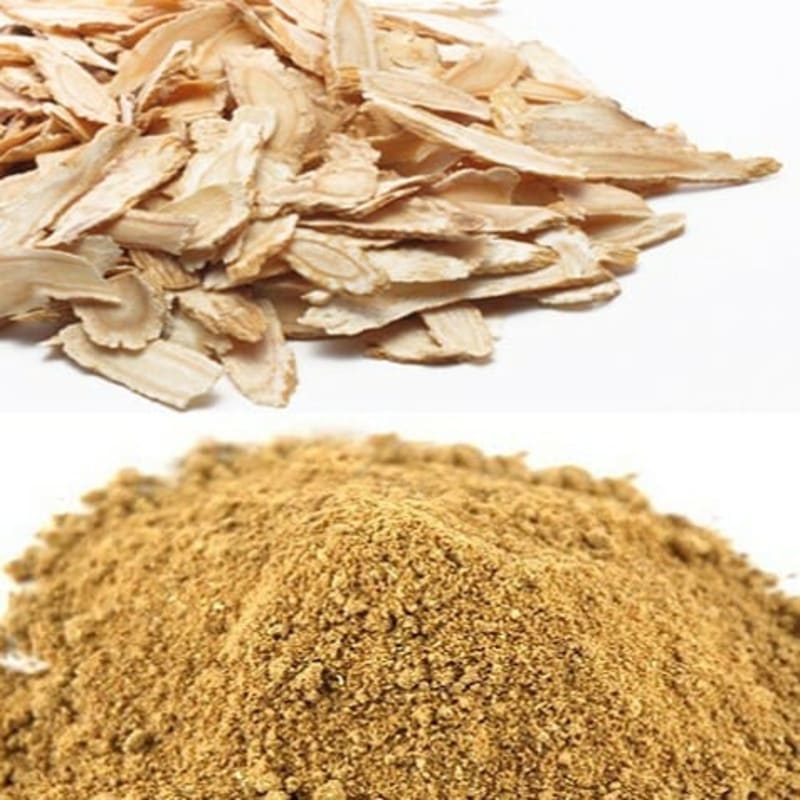
Raw (unripe) mangoes are sliced, sun-dried, and ground. The result is a beige-gray powder with a sharp, fruity sourness. It's the souring agent of North Indian cooking the way tamarind is the souring agent of South Indian cooking — they are regional alternatives more than direct substitutes.
Flavour & Aroma
Raw: Intensely sour, fruity, slightly sweet underneath. Smells like concentrated unripe mango.
Cooked: The sharpness softens, the fruity note deepens, and it integrates into the dish rather than sitting on top. It adds complexity rather than just "sour."
The key distinction: amchur adds sourness with a fruity, slightly sweet background. Lemon juice adds clean sharp acidity. Tamarind adds darker, deeper, slightly earthy sourness. These are not interchangeable — they give different characters to a dish.
When to add it
- In dry spice blends: Never roasted — added as a powder after grinding other spices. Heat can make it bitter.
- In marinades: Add to yogurt-based marinades (tikka, tandoori) for tenderising and flavor.
- As a finisher: Sprinkled directly on chaat, fried snacks, or dal. Adds a sharp fruity punch at the end.
- During cooking: Can be added with dry spices mid-cook, but add toward the end if possible to preserve the fresh fruity note.
What it contributes to a dish
Brightness and balance. Amchur is what prevents a rich, heavy masala from feeling cloying. It cuts through fat, lifts earthy spices, and adds the "something's missing" note when it's absent.
In pav bhaji masala and chaat masala it's essential — these blends are built around the sourness it provides. A pav bhaji made without amchur (or tamarind) tastes flat and one-dimensional no matter how good the other spices are.
Works well with
- Cumin (especially roasted) — the classic chaat pairing. Cumin's earthiness + amchur's sourness = the defining chaat masala flavor.
- Black salt — both are distinctive, both define street food flavor. Together in chaat masala they're irreplaceable.
- Coriander — amchur's fruit note amplifies coriander's citrus character.
- Chilli — sourness balances heat; the two together define many North Indian street food flavors.
In blends
| Blend | Role |
|---|---|
| Pav bhaji masala | Essential souring agent — the key differentiator from garam masala |
| Chaat masala | Dominant souring note alongside black salt |
| Aloo tikki / samosa filling | Brightens potato-heavy fillings |
| Some chole (chickpea) masalas | Adds tartness |
Forms & Storage
Powder (the only practical form) Amchur is almost always used as a powder — whole dried mango slices exist but are rarely used in home cooking. The powder is ready to use straight from the jar with no preparation.
Should you roast it? No — never. Amchur turns bitter when dry-roasted. It's always added raw, either stirred into a blend after grinding or added directly to a dish.
Can you make it at home? Technically yes — slice unripe mangoes thin, dry in sun or a low oven, grind. Practical only if you have access to unripe mangoes. Store-bought is perfectly good.
Storage: Amchur absorbs moisture readily and clumps in humid conditions. Store in an airtight glass jar. If it has clumped solid, it has likely lost potency and sourness. Shelf life: 6-12 months. A desiccant packet in the jar helps in humid kitchens.
Substitutes
| Need | Substitute | Notes |
|---|---|---|
| Sourness in a dry blend | Tamarind powder | Darker, earthier — changes character |
| Sourness mid-cook | Lemon/lime juice | Clean acidity, no fruit background, adds liquid |
| Sourness mid-cook | Tamarind paste | Richer, more complex, South Indian character |
| Exact flavor | Nothing | Amchur has a specific fruity sourness nothing replicates exactly |
For pav bhaji masala specifically: if you skip amchur you lose the defining tang. Adding lemon juice at the end of cooking partially compensates but isn't the same.
Notes
- Don't roast it: amchur turns bitter when dry-roasted. Always add as a powder after grinding or at the end of cooking.
- Quantity: amchur is potent. Start with less than the recipe calls for, taste, and adjust. 1 tsp can dominate a dish.
- Storage: tends to clump in humid conditions. Store in an airtight jar with a desiccant packet if your kitchen is humid.
- Colour: the powder is beige-gray and doesn't color dishes — purely a flavor spice.
Added Aug 31, 2026 · Updated Aug 31, 2026